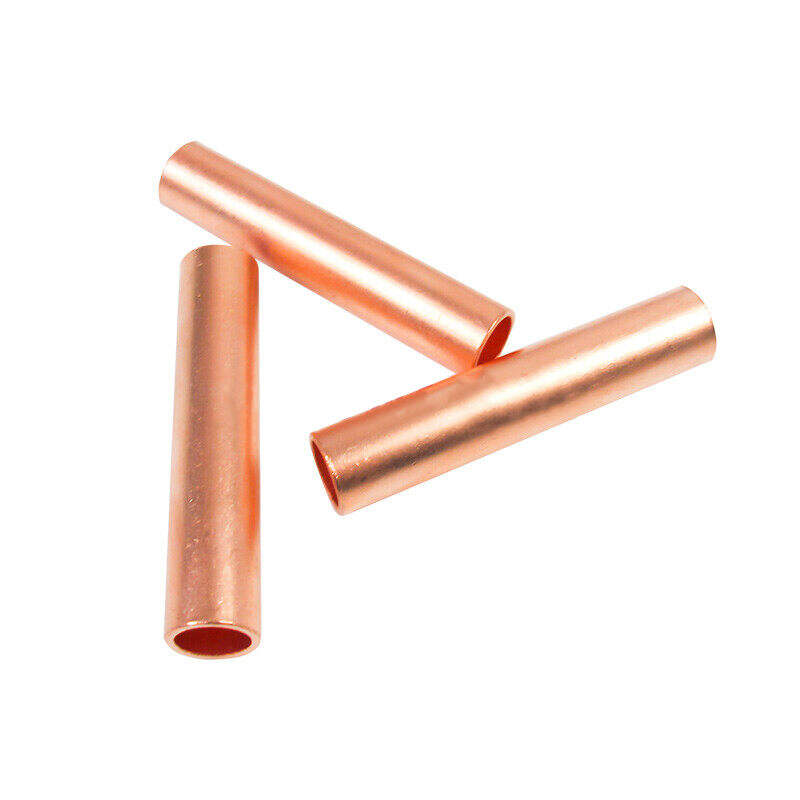
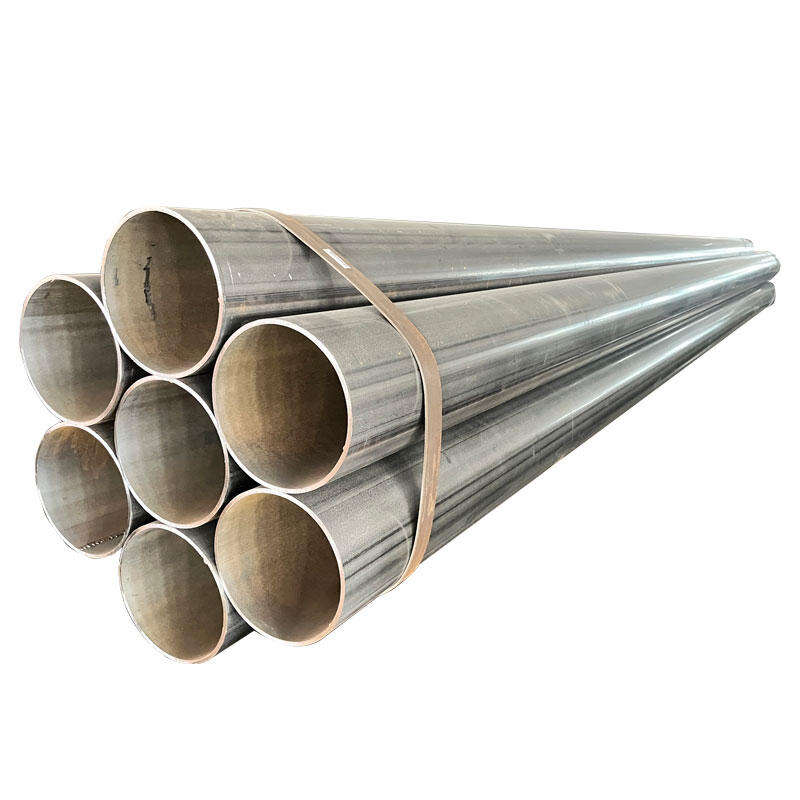
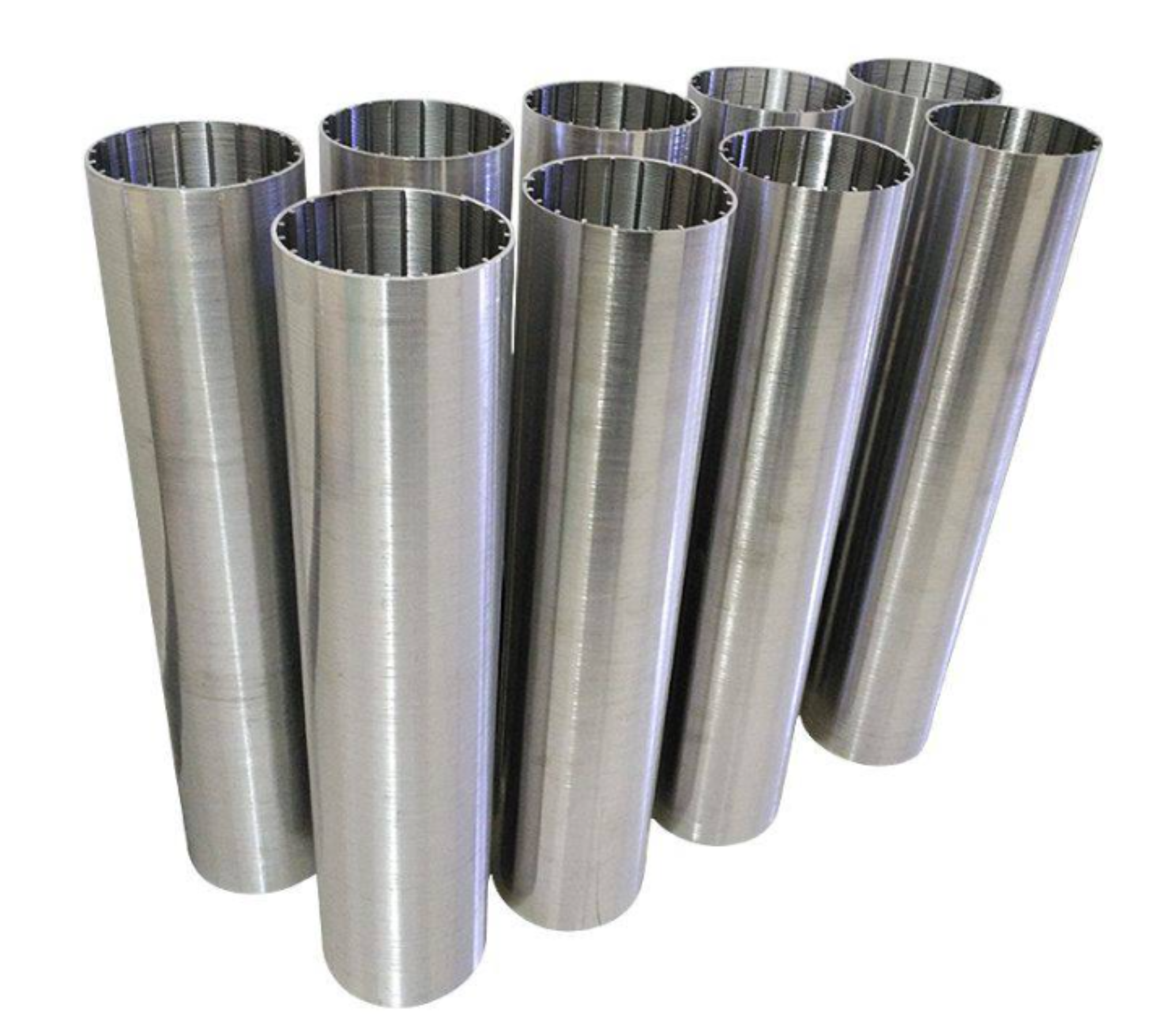
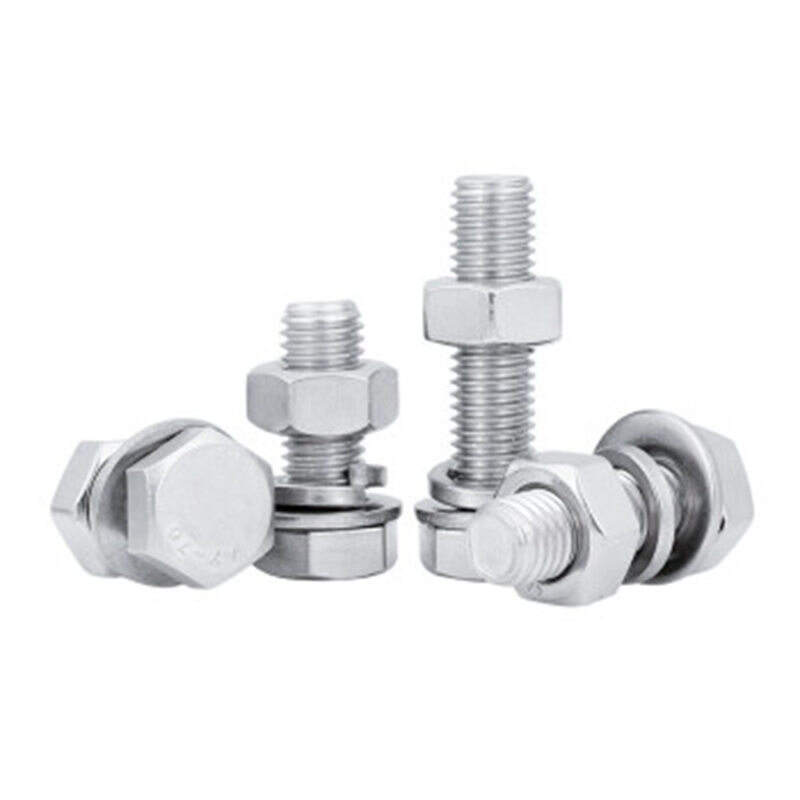
Special Copper tubes are used in plumbing, heating, air conditioning, and refrigeration. These tubes are produced in a process known as “seamless manufacturing. " That's no seams or welds, so that makes them very strong and durable.
Making copper tubes actually involves an intriguing process. Raw copper is melted in a furnace under high temperature. Once the copper has been brought up to temperature and is in liquid form, it is poured into a mold, forming a long, hollow tube. Then the tube is stretched to become longer and thinner. Finally, the tube is cooled and then cut to the appropriate sizes. This procedure ensures the copper tube form with high strength, smooth, ready for the plumbing and HV AC systems.
There are numerous benefits of using copper tubes in plumbing and HVAC pipelines. One major advantage is that copper is a natural material and doesn’t corrode easily or break. This allows copper tubes to have an extended life span without requiring replacement. Copper also conducts heat well, which is an imperative for sturdy HVAC systems that must regulate temperature. Finally: copper tubes can be used in a variety of applications, from home plumbing to large industrial HVAC systems.
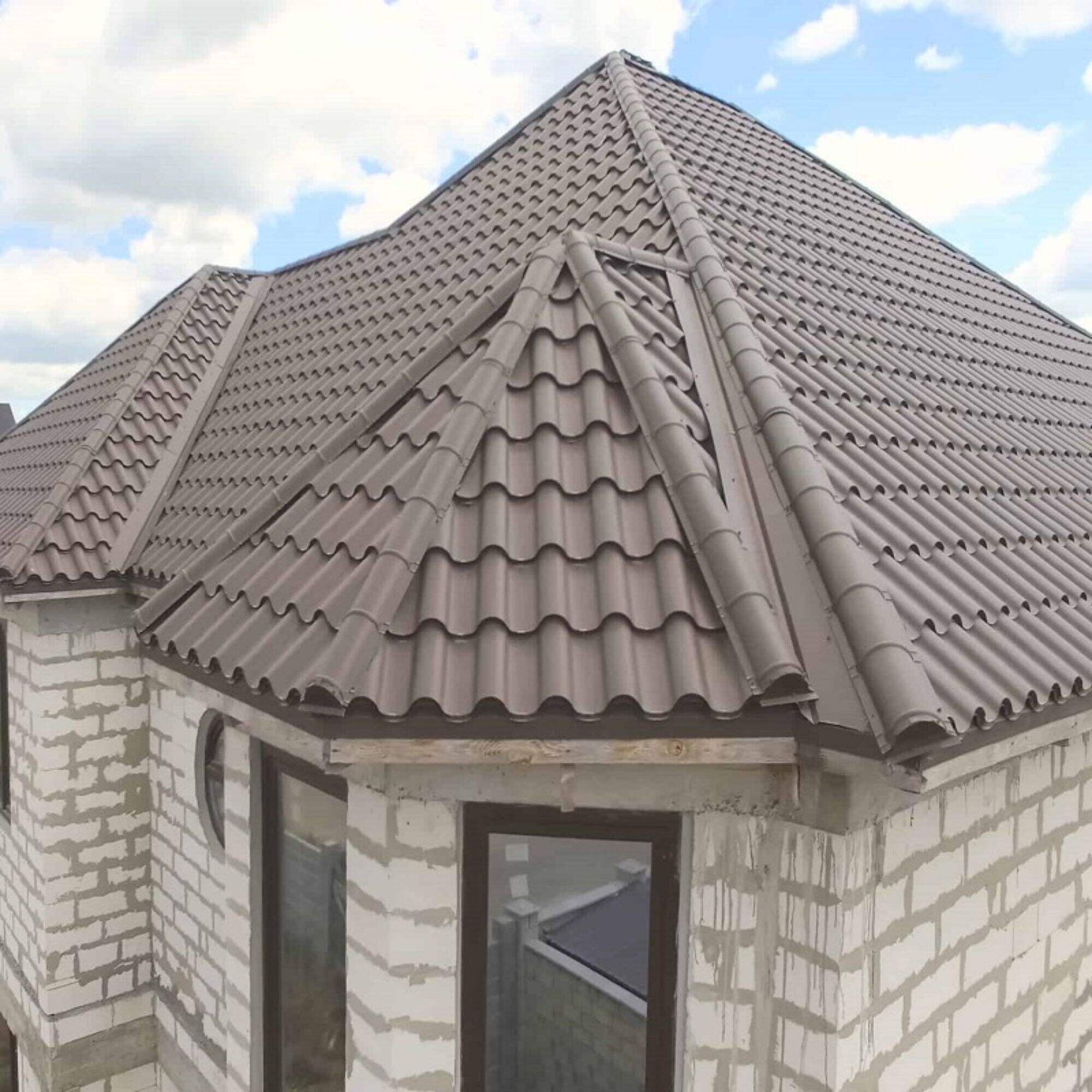
Welding tubes are another type of copper coil and are manufactured by welding two individual copper pieces together. Although both tubes can be used: Copper tubes are generally stronger and more reliable than those that are welded. That’s because when the solid process is done, there are no weak points or seams for it to snap. What’s more, seamless tubes are smoother on the inside, which reduces the likelihood of clogs. Copper tubing is the superior option for most plumbing and HVAC work.
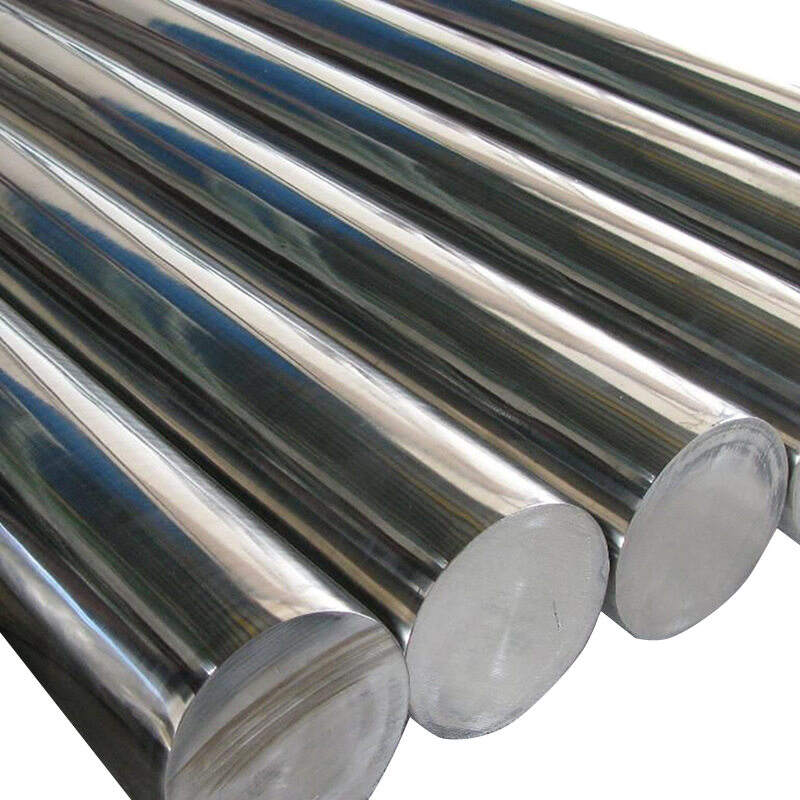
Copper tubes are utilized in various industrial applications. A common application is in heat exchangers, which promote the transfer of heat from one fluid to another. They are also employed in refrigeration to keep food and other products cold. Copper tubes also are used frequently in industrial piping systems, where it is strong enough to carry water, gases or chemicals.
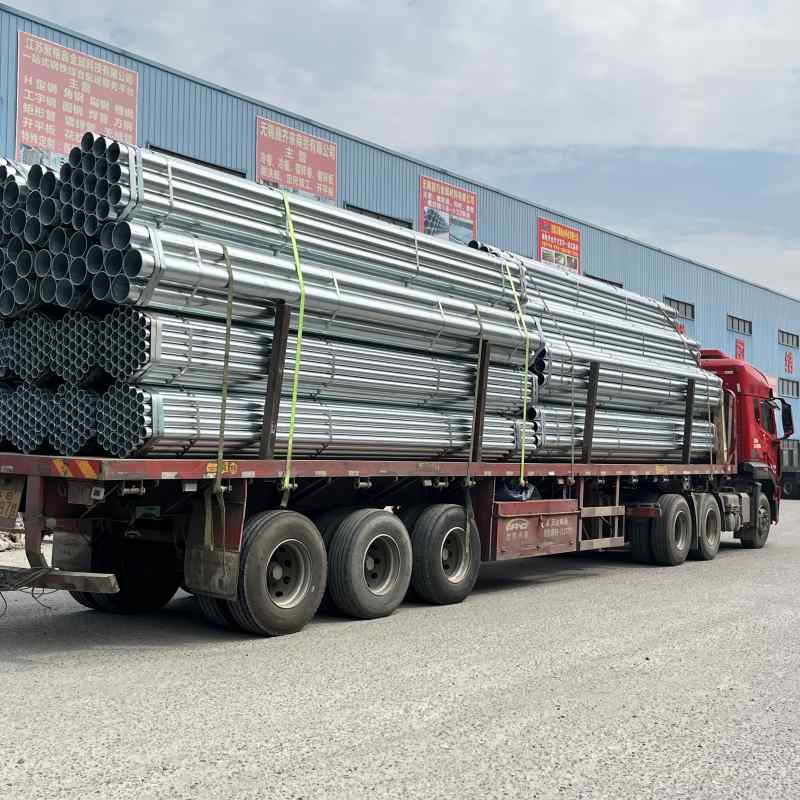
There are certain things to consider when choosing copper tubes for your project. First you need to know the size & thickness of tubing you require. This is a function of how much fluid will want to travel through it and the pressure of that fluid. Next, consider the length of the tube and how it fits your system. Finally, be mindful of the price of the copper tubes and see if it is affordable. With that information in mind, you should be able to decide on the best copper tubing for your job.
Event items listed firm's catalogs, Can provide completes supply. Inventory huge. Around hundreds different items covered. Also have products others suppliers do not offers. Also offer customized processing customers, have strong OEM capabilities. Have served hundreds customers over past few years. Products covers copper tube seamless metals like stainless steel, carbon steel, aluminum copper, etc. Supply chains completes gives highest ability supply.
first place, products conform international standards ASTM, AISI, ASME, JIS, copper tube seamless, EN, ISO, etc. create products, discuss customers most up-to-date product process send them product testing. Customers required conduct tests match their needs. After goods are place, we'll conduct piece by piece testing. goal ensure product shipped without hitch. After client has received items, will promptly seek out their feedback. We have 5-year product assurance quality product.
Have close relationship major steel producers China. copper tube seamless sell almost ten thousand tonnes steel products each year, offer most affordable cost. Cheapest price market. Very small profit ton, only larger sales. Any customer, matter how large volume orders. All customers equally so long price can be negotiated.
Company long-term relationship variety large shipping companies. Exclusive customer service. Shanghai Port, Ningbo Port Qingdao Port consider superior customer. Most efficient shipping capability provider because have exclusive medium-sized terminals ports. Strong relationship Chinese customs products are not subject inspection, are quickly cleared through customs, delivered one time. Currently negotiations several Chinese free-trade copper tube seamless well working Singapore ports order increase capacity transit.
 EN
EN
 AR
AR
 HR
HR
 CS
CS
 DA
DA
 NL
NL
 FR
FR
 DE
DE
 IT
IT
 JA
JA
 KO
KO
 PL
PL
 PT
PT
 RO
RO
 RU
RU
 ES
ES
 CA
CA
 TL
TL
 IW
IW
 ID
ID
 LV
LV
 LT
LT
 SR
SR
 SK
SK
 UK
UK
 VI
VI
 ET
ET
 TH
TH
 TR
TR
 FA
FA
 AF
AF
 MS
MS
 IS
IS
 HY
HY
 AZ
AZ
 LA
LA
 MN
MN
 MY
MY
 XH
XH
 BN
BN